A cars life cycle is planned by the manufacturer from the point of delivery to every recommended service interval in the owners manual. Some companies, such as BMW, have a strict service schedule, while others, like Toyota, expect their owners to be a little loose or even forgetful about those same intervals. Companies know their customers well and engineer their cars to require maintenance as such. Performance cars need servicing much more frequently than commuter cars. I think that’s reasonable to expect.
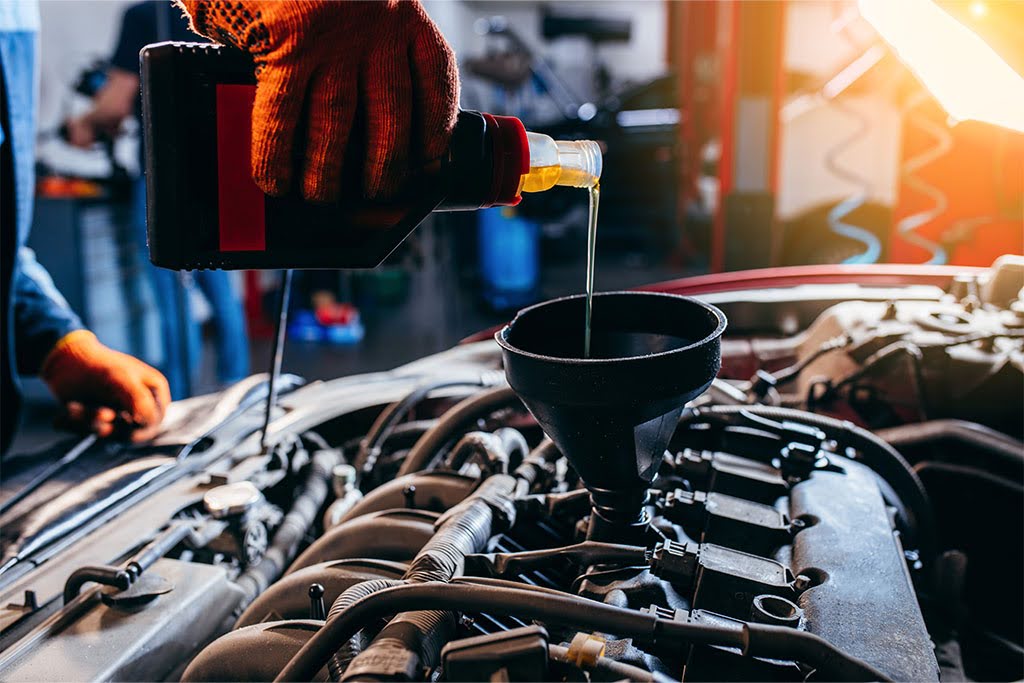
Regular maintenance is a beautiful thing. The idea that a service schedule can be followed and guarantee the full function of a vehicle is comforting. This is rarely the case in reality, however. Parts go out prematurely. Tires blow. Unexpected, hard braking leads to wear and warping that the manufacturer cannot predict. Depending on how long the engine idles, how hard you accelerate, how much city or highway driving you do all has an impact on engine oil consumption, temperature, and breakdown. Engine oil has an enormous impact on the health and longevity of any motor. There are driving and care habits that all contribute to a vehicles wear and tear that, frankly, no manufacturer can account for entirely. So, while the owners manual service schedule is important to follow, we can’t expect it to guarantee perfect performance with every start up. Some level of supervision over your cars systems and fluids needs to be carried out.
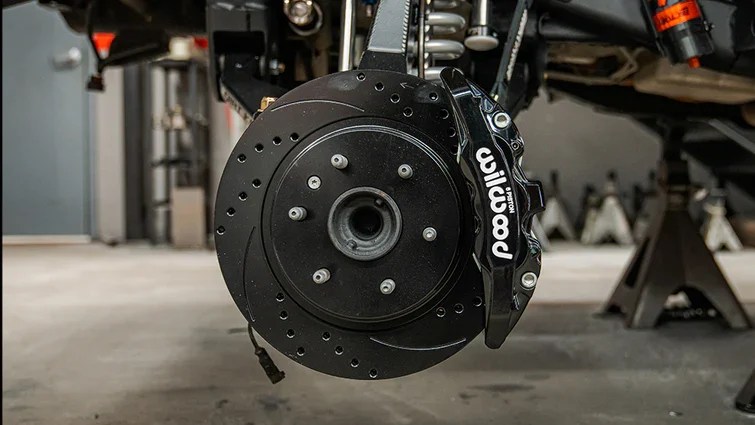
Some car enthusiasts welcome breakdowns. When a part or system needs to be replaced, they take that opportunity to not just fix, but upgrade them. Replacing those seized calipers with Brembo or Wilwoods, a new air filter leads to a cold air intake, and a worn out shock absorber finds you ordering BC Racing coil-overs. We joke about how this routine leads to every car becoming a race car and ultimately needing a new car to daily drive, but it is important to consider the similarities, differences, and value of modifications and/vs maintenance.
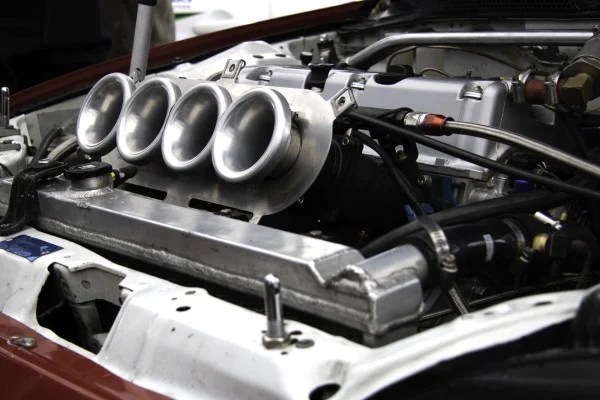
Some in the community feel like using any part that is not OEM is a mistake. They are probably referring to Autozone alternators or NAPA axles. Famously re-boxed, remanufactured parts. However, it’s hard to argue that a performance part is lower quality than OEM is, let alone parts store quality. Not everyone needs Wilwoods or BC Racing though. When it comes to maintenance, OEM is always the best option. For those looking to make improvements, performance parts are a no-brainer. A stock exhaust system on any car made within the last 30 years is tuned perfectly for the car. An aftermarket exhaust may open more horsepower, but at the loss of dampening noise or collecting pollutants. Straight-piping a car should be reserved for when your catalytic converter gets stolen and you need to make it a few days before the shop can fit you in or the new part arrives at your home.
There’s great reasons to modify a car, and they are not separate from maintenance. Your brakes may work just fine, but you want to upgrade. Or your cooling system doing a fine job, but you want to make sure it’s more than enough. Whatever the reason, modifying can lead to huge improvements and making your car truly your car. But, never neglect regular maintenance. Personally, I prefer to use OEM parts and perform proactive maintenance whenever possible. I’ve rarely had a breakdown.
Let me know your approach to vehicle maintenance, whether you like to modify, and what has worked the best for you.
Thanks for reading.
-Reese
 Reese’s Reviews - An Automotive and Men’s Lifestyle Publication