The first electric headlights were seen in 1898 and became standard in 1912. High beams followed only a couple years later. Headlights are an integral part of cars that go far beyond safety and deep into design identity.
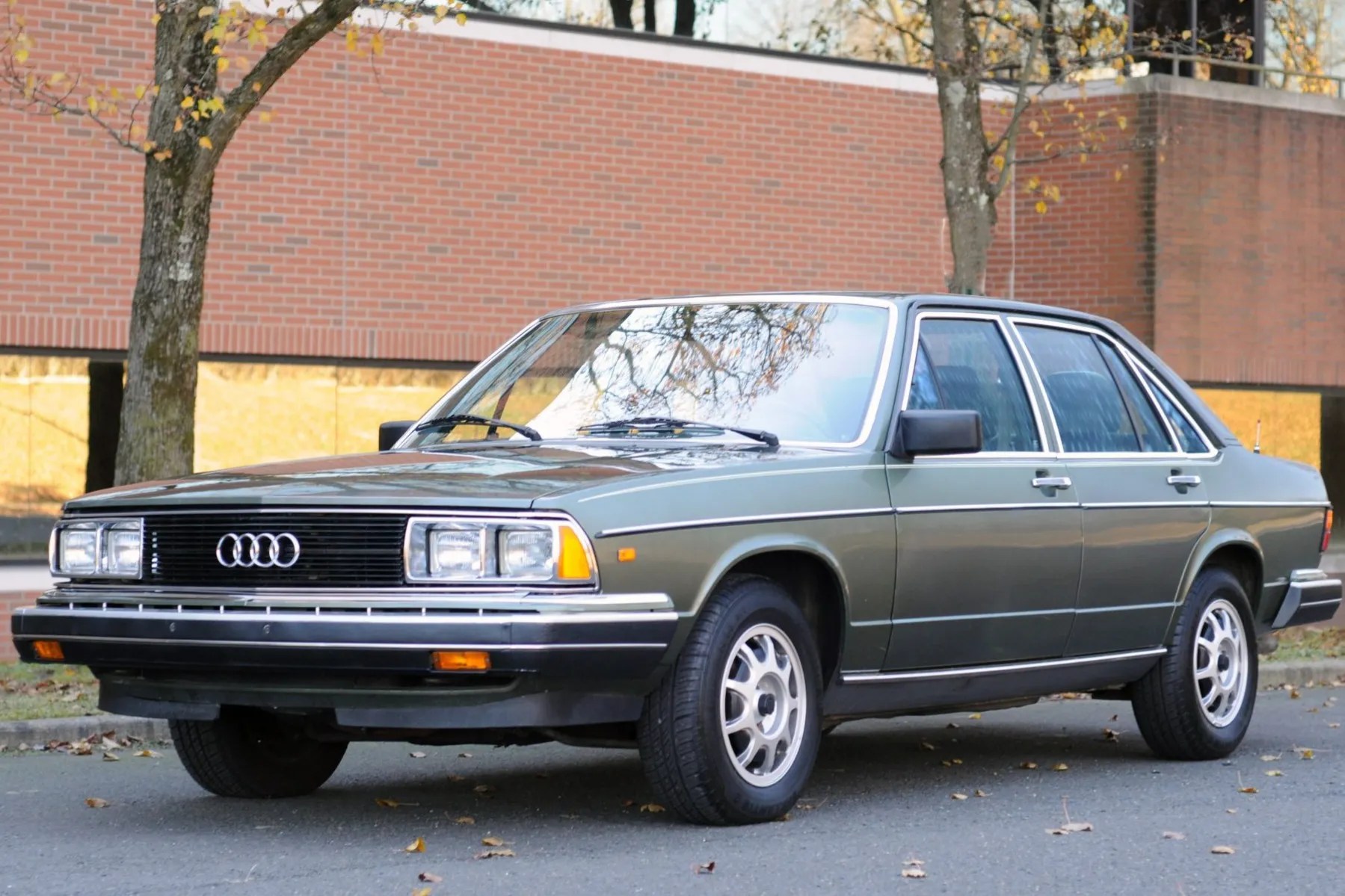
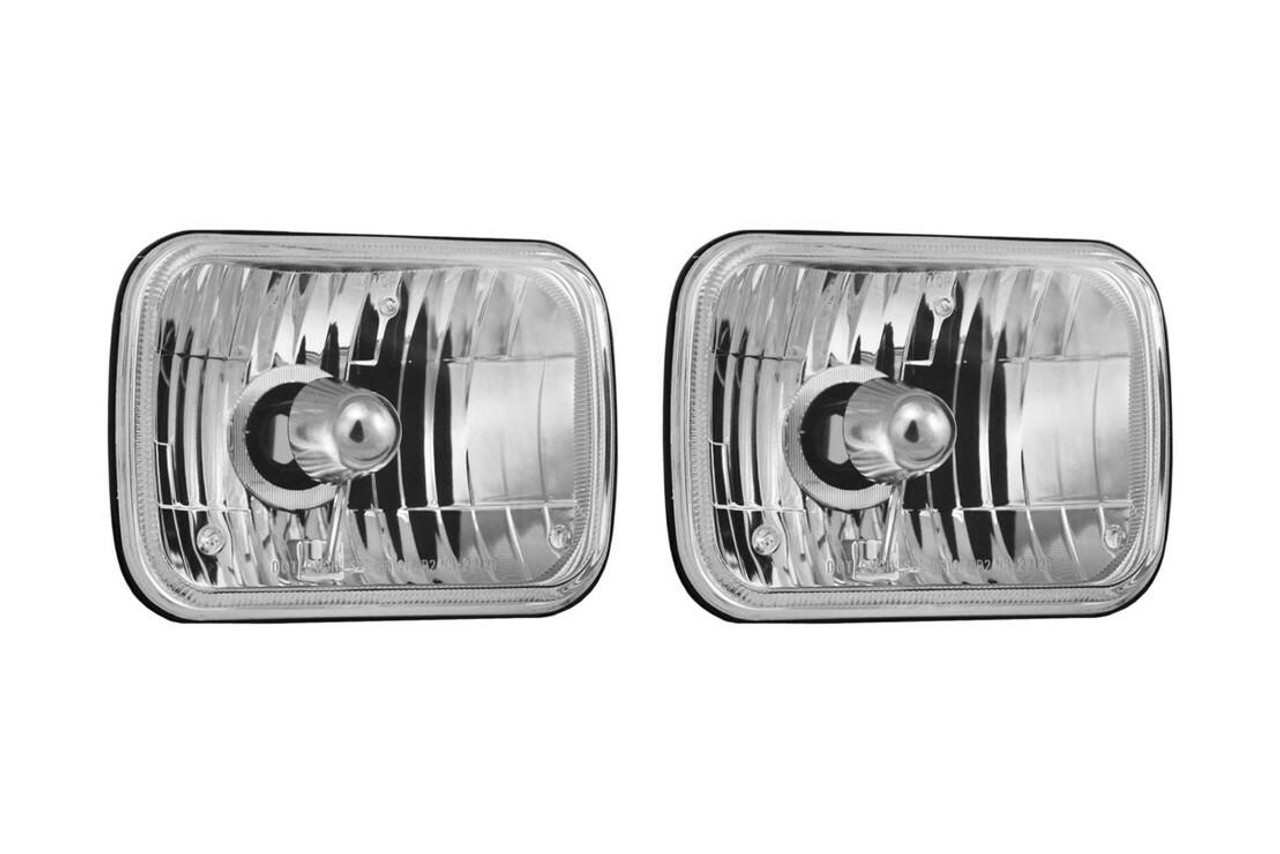
From 1940 to 1956, two 7″ round sealed beam lights were required. In 1957, the law was changed to allow four 5.75″ inch” round sealed beam lights instead. By 1974, rectangular sealed beams were permitted and became so standard that cars began to lose the identity that headlights gave. Every front end started to look the same. From a quick glance, a Dodge Omni and a VW Rabbit were nearly indistinguishable. Finally, in 1983 the sealed beam headlight mandate was lifted and we saw composite headlights enter the market. These allowed the owner to replace only the bulb and not the whole light unit. Quickly, automakers began experimenting with new headlight shapes, which dramatically influenced the overall styling.
Everyone remembers the strange headlight design Ford chose to shoe horn onto every model in the mid aughts and if you don’t, look no further than the 2005 Transit, Fusion, Fiesta, and even Focus. The F-150, Expedition, Explorer, and Escape all had their own similar design which wasn’t as heinous. Headlights again became an indicator of which model or maker you were looking at.
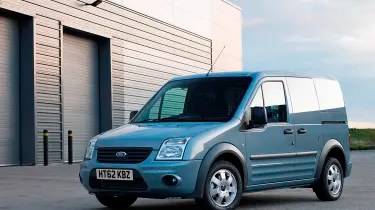
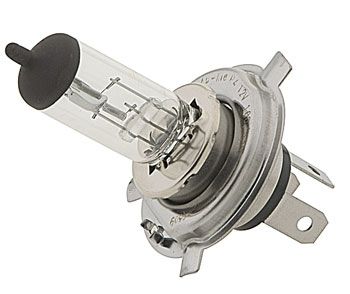
Headlights improved over time. They were designed to be aerodynamic and fit into a cars overall design language. They were made to be affordably serviced and disperse light better and to be seen from more angles. Overall, safety was key. Halogen reigned supreme.
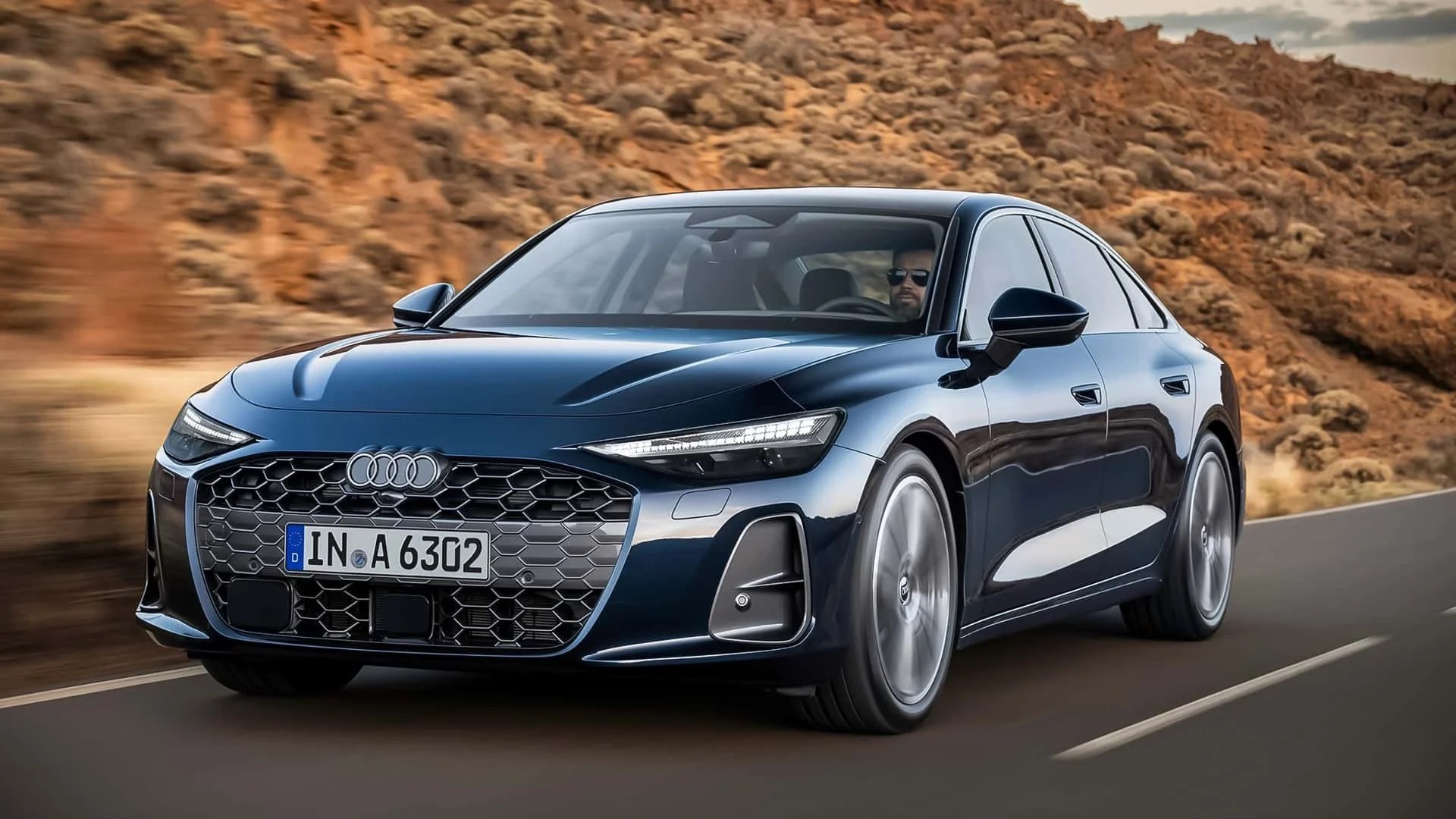
Now, take a look around. LEDs are standard and halogen is for the base models only. In 2004, Audi equipped the A8 with LED DRLs (Day-Time Running Lights), then Lexus in 2006 used LEDs for headlights in the LS600h, and in 2008 Audi equipped the R8 with LEDs all around. That’s low beams, high beams, turn signals, and everything in the back. It’s more surprising to see a new car with halogen lights today than it was to see an Audi R8 at all at launch. Our cars headlights are brighter, more reliable, and safer and that’s the story we’re told.
According to the Insurance Institute for Highway Safety (IIHS), LED headlights can be credited with ~19% fewer nighttime single-vehicle crashes, injury crash rates by ~29%, and pedestrian crashes by ~25%.
This sounds pretty good. But there’s more to it than that. LED headlights are absolutely blinding. I think most will agree. Try driving a Lexus LS400 with an F-250 behind you at night. I would’ve been better off without mirrors. My pickup truck now has halogen lights and I far prefer the warm glow over any piercing pure white light an LED array would provide. So why do we use LEDs? I think the answer lies beyond speculative safety data and has more to do with premium appearance and markup opportunity. Either way, I hope projector tech is developed in step with LED tech or we might all go blind.
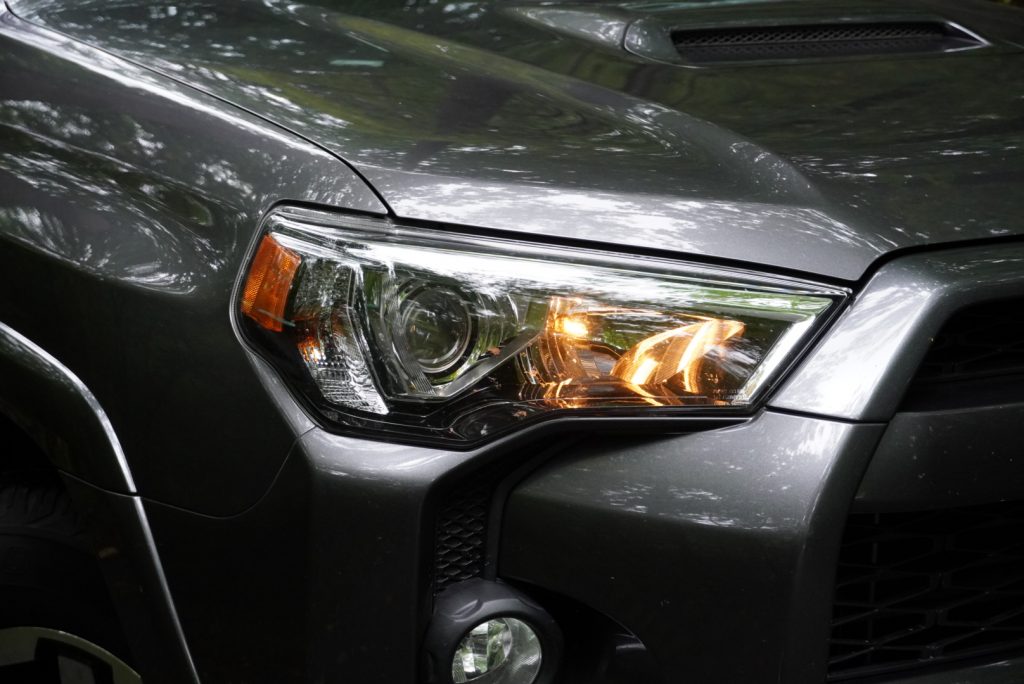
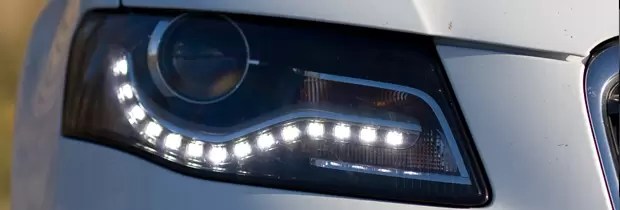
The real danger is with LED DRLs. Day-time running lights became mandatory in Canada and Europe within a few decades of each other. US automakers, in a constant cost saving effort, equip even their domestic models with them to standardize their lineup. DRLs are a light that is on during the day, simply put. Not as bright as your headlights, but helpful for other drivers going about their commute in daylight. DRLs were never intended to help you see the road the same way headlights or even fog lights are. However, with the advent of LED DRLs, light is dispersed to illuminate the road just enough that at night an unassuming driver (perhaps someone who does not check to see if their lights are on) might assume that their headlights and tail lights are all on for every other driver to see. All the while, their car shoots through the night in near darkness, particularly from the rear. If you drive a car that has an analog gauge cluster, you would become immediately aware that your headlights are off, because the cluster backlight would also be off. The issue is that most of the cars on the road that have LED DRLs also have digital gauge clusters which can be easily seen whether the headlights are on or off in the daytime or at night. This is a losing combination.
Whereas headlights were originally intended to help other cars see you, they eventually became strong enough to help you also see around you. DRLs have had a similar journey, going from a small light to help others see you, into lights bright enough to illuminate the road and fool you into thinking your headlights are on.
Road safety is paramount and the lights on a car serve a critical purpose. We need to find the balance so as to not make our roads more dangerous in the pursuit of illumination innovation. Do you prefer halogen or LED headlights? Do you know what the light indicators on your dashboard mean? It seems like many don’t know that their high beams are on or that all of their headlights and tail lights are completely off.
 Reese’s Reviews - An Automotive and Men’s Lifestyle Publication